Welcome:Dongguan Pengtek Machinery Trading Co., Ltd.

 Call us:
+8613794940501
Call us:
+8613794940501
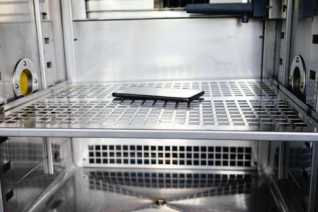
When the Device Under Test (DUT) is a heat-generating sample—such as a battery, electronic component, power supply, or other energized equipment—selecting a test chamber based solely on volume and temperature range may lead to inaccurate results. The key lies in comprehensively considering the sample's heat load, the required temperature and humidity conditions, the chamber volume, and the temperature recovery performance. A suitable chamber must be capable of maintaining the required test conditions while continuously dissipating the heat generated by the sample.
1. Why This Is Important
The fundamental principle of a temperature and humidity test chamber is to control the environmental conditions surrounding the test sample. However, when a sample is energized during testing, it imposes a significant additional heat load on the chamber.
For example, if an electronic device with a power rating of 1500 W converts most of its electrical energy into thermal energy, it will add approximately 1500 W of heat to the chamber environment.
This raises a critical question regarding selection:
Can the chamber maintain the specified temperature and humidity conditions while continuously dissipating the heat generated by the sample?
A chamber might achieve its rated temperature range under no-load conditions, but its performance will differ when a high-power sample is operating inside. Therefore, actual testing capability depends on the chamber's environmental control system and the sample's heat load. For heat-generating samples, a more detailed technical assessment is required before selecting a chamber.
2. Key Selection Factors
a. Sample Heat Load
The first consideration is whether the sample generates heat during testing and, if so, how much heat is produced.
Heat load can be expressed in watts (W) or kilowatts (kW). This is often a critical parameter for active electronic products, batteries, motors, inverters, and other active devices.
Key questions to address:
Is the sample energized during testing? If so, what is the estimated heat dissipation in watts?
b. Required Temperature and Humidity Conditions
The required environmental conditions should be determined based on the actual test method or applicable standards. Key parameters include: minimum and maximum temperatures, relative humidity range, temperature and humidity stability, and temperature/humidity cycling requirements.
The test chamber should be evaluated under actual operating conditions, rather than relying solely on its specifications for an empty chamber.
c. Chamber working volume
A larger chamber is not necessarily better. Excessive unused volume increases equipment costs and may compromise temperature and humidity recovery performance.
The total volume of standard samples should not exceed 35% of the chamber's effective working volume. For heat-generating samples, this ratio should be further reduced to below 20% to ensure sufficient air circulation for heat dissipation and to prevent localized overheating or thermal runaway. Additionally, a minimum clearance of 100 mm should be maintained between any sample surface and the chamber walls (including the rear air duct).
d. Cooling and heating capacity
The cooling and heating systems must have sufficient capacity to compensate for the sample's thermal load and maintain the required environmental conditions.
For high-power samples, the supplier should confirm the chamber's performance under the specified thermal load, rather than relying solely on its empty-chamber temperature range.
e. Test configuration and cable access
Powered test specimens often require cables, monitoring lines, communication lines, or external measurement equipment.
Consequently, the chamber may require features such as cable ports, internal power connections, external data acquisition interfaces, and additional monitoring sensors.
These requirements should be determined prior to manufacturing, as they impact the chamber's configuration and thermal performance.
3. Common mistakes and recommended solutions
A common mistake is selecting a temperature and humidity test chamber based solely on the following three specifications:
"800 liters, -40°C to +150°C, 20–98% RH."
While these parameters are important, they do not fully describe the testing capabilities.
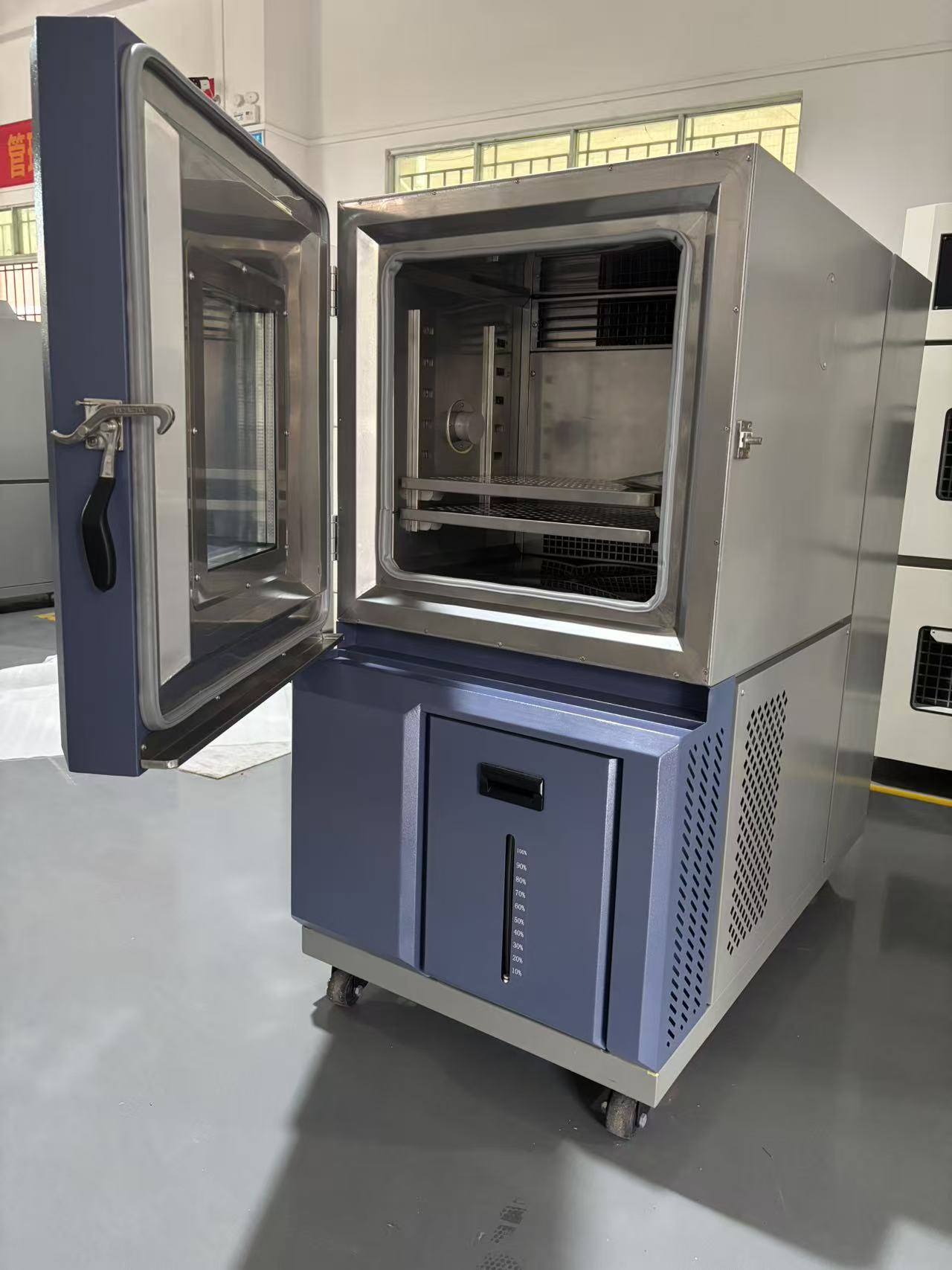
For example, two customers might both require an 800-liter, -40°C chamber. One customer might be testing passive plastic components, while the other is testing a powered electronic assembly that generates 1.5 kW of heat.
The required chamber configurations could differ significantly. 4. Application Example
Consider an electronic component that requires environmental testing while in continuous operation.
Customer requirements are as follows:
Test chamber volume: Approx. 800 L
Temperature range: -40°C to +85°C
Relative humidity: 10%–95% RH
Test specimen operating power: Approx. 1.5 kW
Continuous power-on operation required during testing
If the test chamber is selected based solely on volume and temperature range, the configuration may fail to meet requirements.
The 1.5 kW heat output from the test specimen creates a significant additional thermal load that the refrigeration system must continuously remove.
In this scenario, the supplier should evaluate the test chamber under actual operating conditions, taking into account factors such as required low-temperature and humidity levels, specimen heat output, airflow characteristics, and recovery performance requirements.
The final configuration might require a higher-capacity refrigeration system, specialized cable access ports, internal power interfaces, and additional safety monitoring features.
This example illustrates why the test chamber configuration must align with the complete set of testing conditions, rather than relying merely on nominal specifications.
5. Relevant Standards and Equipment
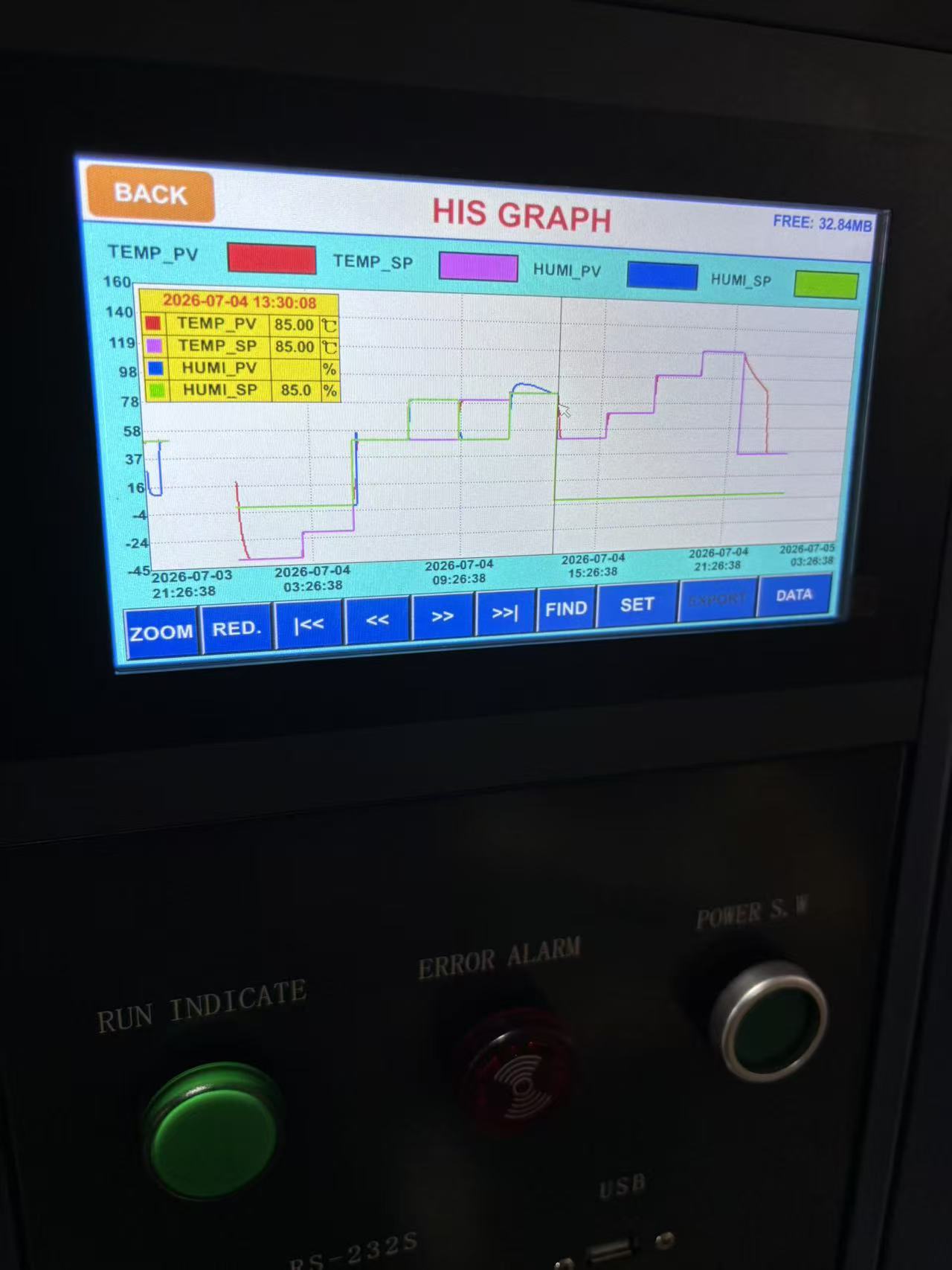
Temperature and humidity testing requirements depend on the specific product and application scenario. Common standards and test methods include those from IEC, ISO, ASTM, MIL-STD, or industry-specific environmental testing requirements.
The specific standard to be adopted should be determined based on the customer's product, testing objectives, and target markets.
Relevant Test Equipment
Equipment for environmental testing projects may include:
Temperature and humidity test chambers
Temperature cycling test chambers
Thermal shock test chambers
Temperature data loggers
Humidity data loggers
Environmental test monitoring systems
Need assistance selecting the right configuration?
Pengtek helps customers translate testing requirements into practical equipment configuration plans.
We advise against selecting a test chamber based solely on volume, temperature range, and price; instead, considerations should be based on actual conditions. The goal is not merely to choose a chamber with the right temperature range, but to select one capable of delivering the required testing performance under the customer's specific operating conditions. Please provide details regarding the type of test specimen, applicable testing standards, required temperature and humidity conditions, and whether the specimen needs to be powered on and operating during the test. Pengtek will assist you in selecting the most suitable test chamber configuration and related testing equipment.
Dongguan Pengtek Machinery Trading Co., Ltd.
Contact:Eric Zhao
Mobile:+8613794940501
Email:eric@dgpengtek.com
Add:No.8, Hongyuan Road, Nancheng District, Dongguan, China